At Portland Edible Gardens, we're not generally into garden “rules”, and of course breaking the rules is sometimes the right thing to do depending on the situation. However, when investing significant resources in your garden infrastructure, following some basic rules is highly encouraged! Do so and you’ll be left with a garden that is beautiful, functional, accessible, fertile, and ready to deliver!
1. Find the sunlight
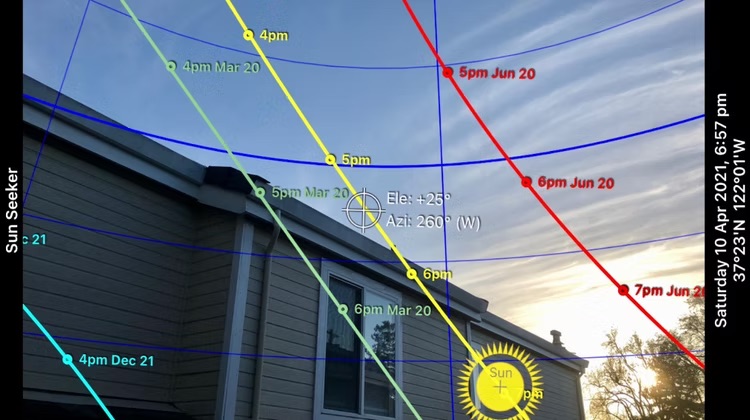
Finding an appropriately sunny spot for siting your garden is essential! Choose a location that receives at least 6 hours of direct sunlight from Spring-Fall (Equinox to Equinox). If you’re not sure how much sun you get, try using a simple sun assessment app like Sunseeker to do the work for you!
2. Choose an accessible location
After sun exposure, accessibility is crucial. A vegetable garden that is an easy dash from the kitchen makes all the difference when you need that handful of parsley or cherry tomatoes to top a summer salad. And building your garden in a high traffic area makes tuning in to the needs of your plants that much easier to turn into a habit.
3. Choose the right building materials
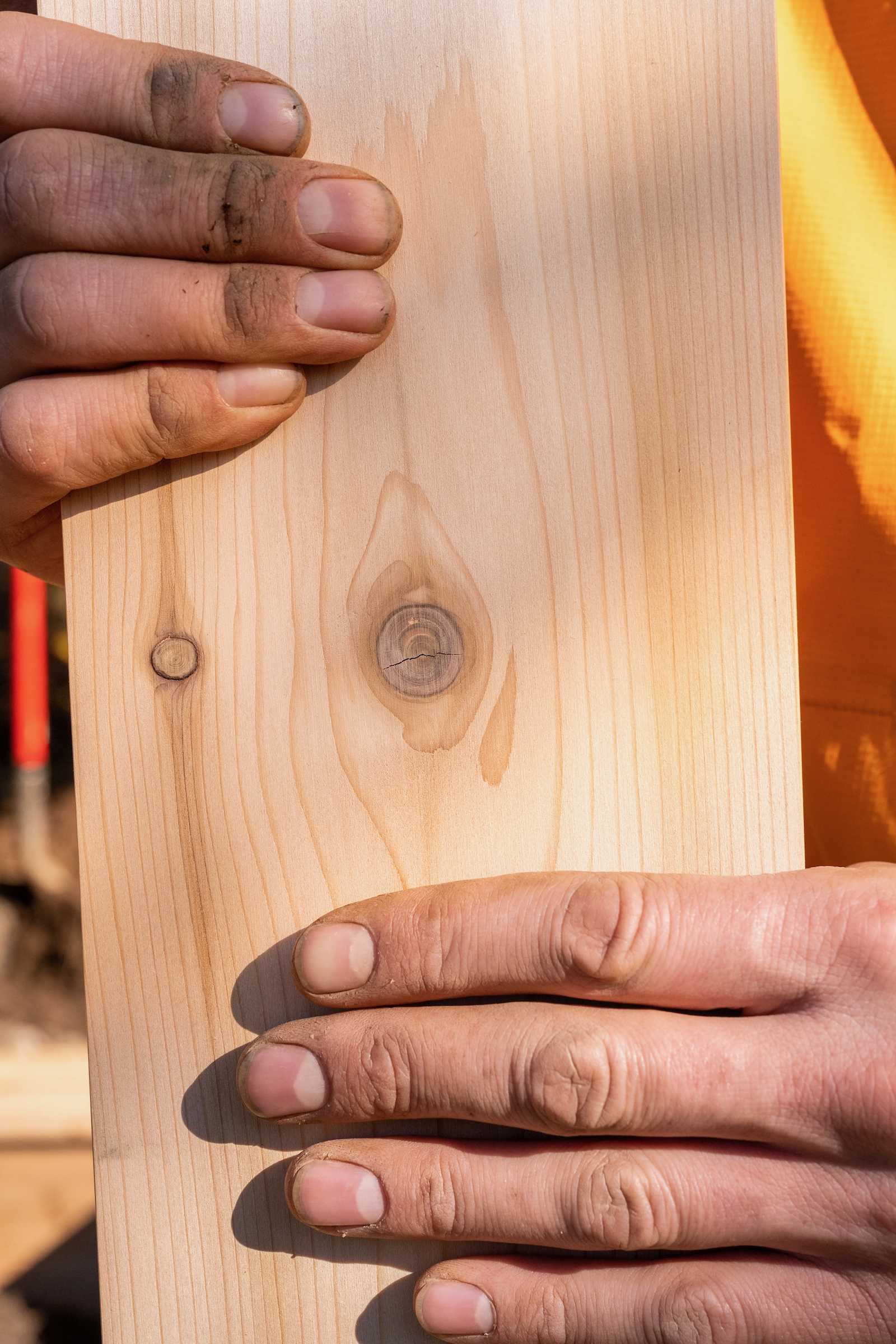
At Portland Edible Gardens we build our beds using long lasting sustainably sourced lumber - though metal, stone, and other masonry products can be great choices as well. Western Juniper is our go-to material because of its sustainable sourcing and excellent longevity outdoors (15+ years!), but every region has different resources. Do some digging and check with your local Master Gardeners Association about possible material sources.
4. Proper bed width: Maximum 48”
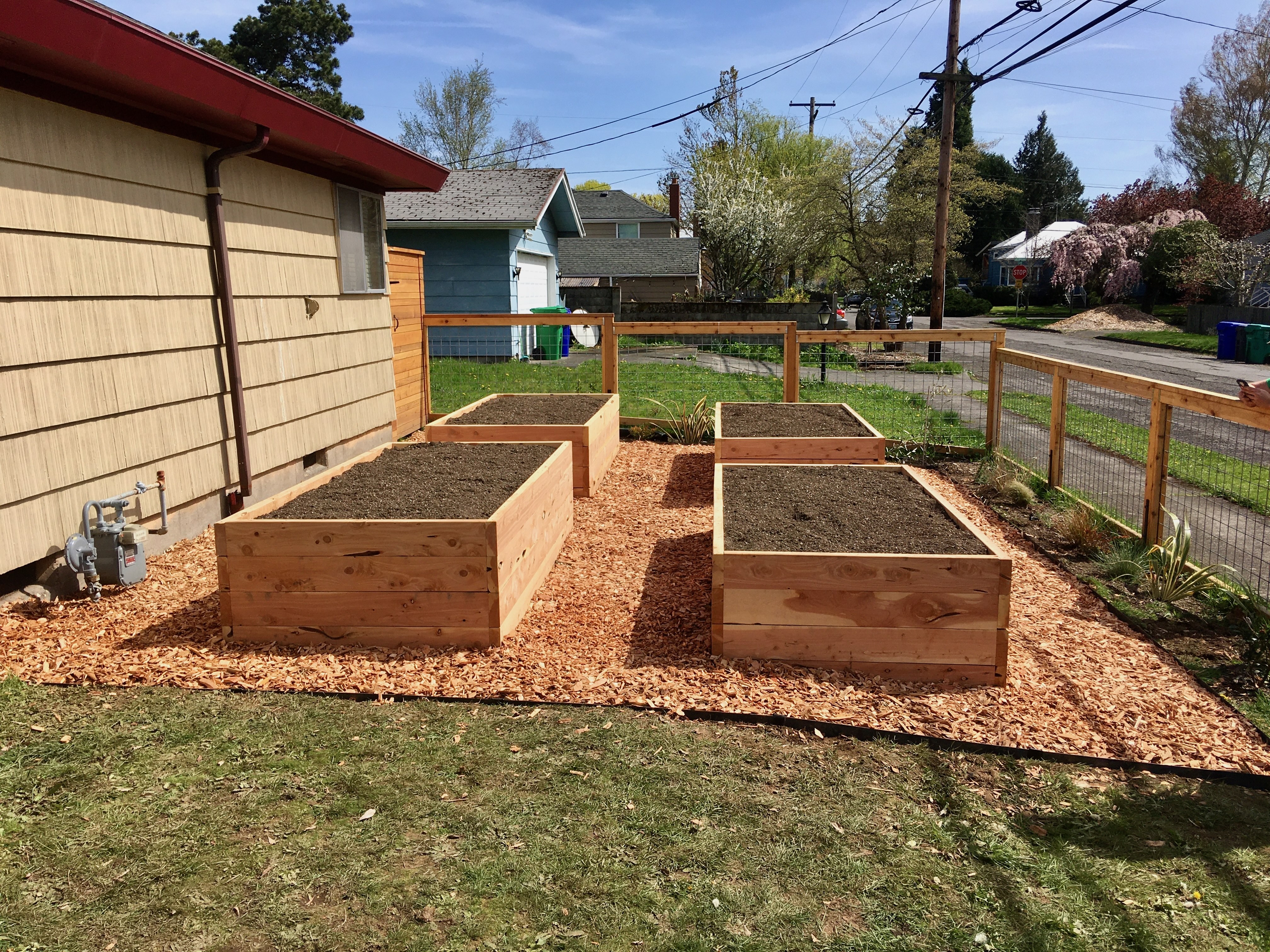
Beds can be built at any length or width, but in general make sure not to build beds wider than 48”. This tends to be the widest a bed can be built and still be comfortably accessed from both sides by most adults. If you have mobility issues, or if a bed is being built in a location where it can only be accessed from one side (i.e. against a fence or structure), consider limiting width to 2.5’-3’.
5. Proper bed height: ≈ 24”
Raised beds can, of course, be built at many different heights, but for annual vegetable beds we generally recommend 24” tall, and not shallower than 18”. This is ideal for accessibility/ergonomics and provides generous rooting depth for even the deepest-rooted vegetables. Beds that are taller than 24” become very heavy when saturated, which can cause bed walls to bow out. Shallower beds require bending and don’t provide the optimal soil depth for proper vegetable root development.
6. Proper path spacing: 30’’-36”
Having appropriate path spacing makes everything flow in a garden. Paths that are too narrow will create a garden space that feels cramped. Paths that are too wide will lead to wasted space. In general a path that will comfortably accommodate a wheelbarrow (30’’- 36” wide) is ideal. Raised beds in large landscapes or where space isn’t at a premium may benefit from slightly wider path spaces (42’’- 48”).
7. Choose the best possible soil
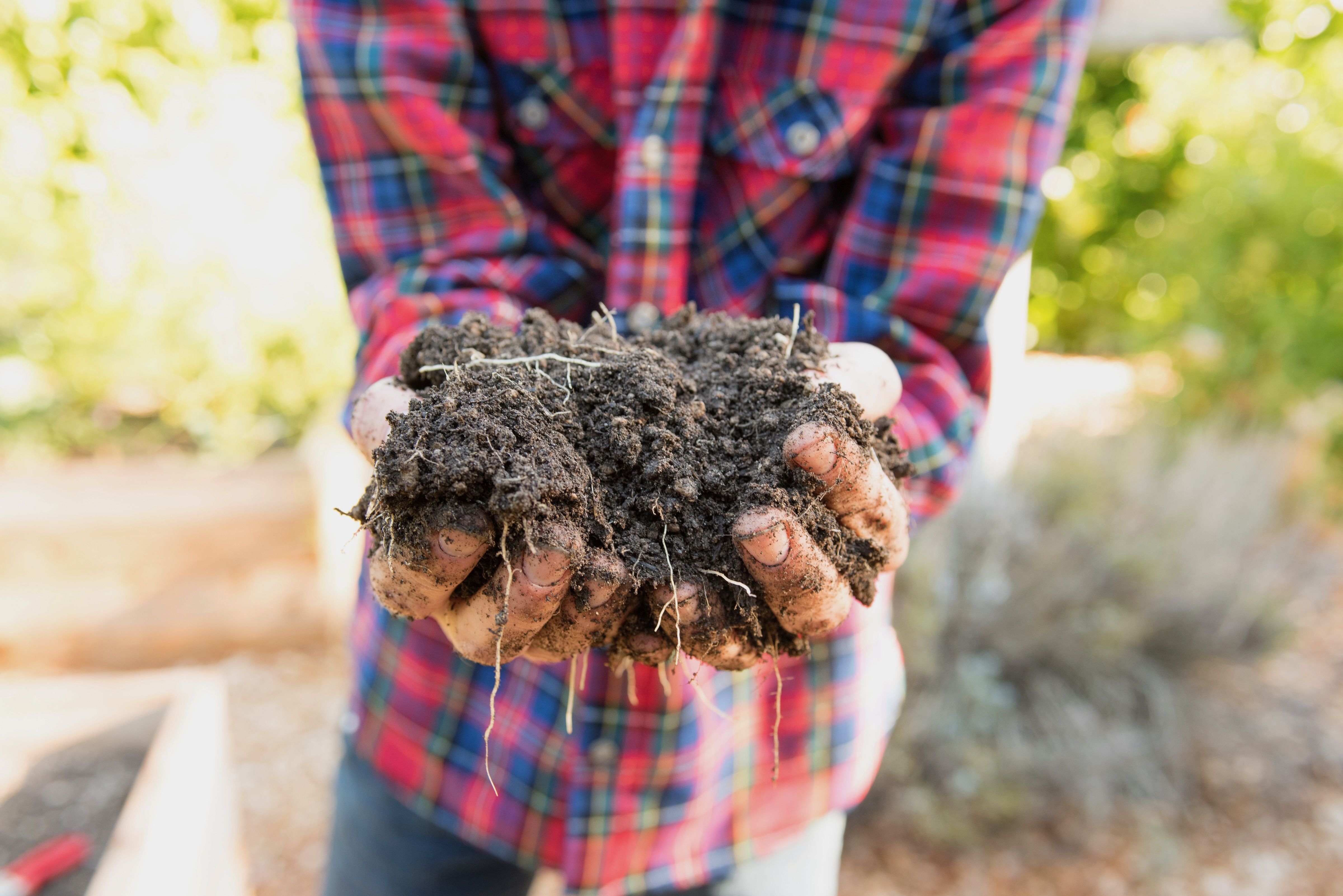
After sun exposure, soil is the single most important factor in the success of your vegetable garden. Soil is also the trickiest consideration in establishing a garden. Sun exposure is straightforward, water can be transported and automated, but soil is mysterious and complex. The quality of your soil mix will make or break your vegetable garden, and unfortunately low quality soil mixes abound at landscape suppliers and even at many trusted nurseries. Inquire at your state’s Extension Service or with local trusted professionals about where to source high quality soil! … And don’t call it dirt. Dirt is a bad word!
Ian Wilson (he/him)
Born and raised in Portland, Ian worked on and managed organic farms in Vermont, Argentina, Hawaii, and California before coming home to roost.